One of the most common questions we get from EcoBlue owners is about timing belts versus chains — what their van has, which is better, and what it means for reliability and cost. Here is a straight answer.
What the EcoBlue actually uses
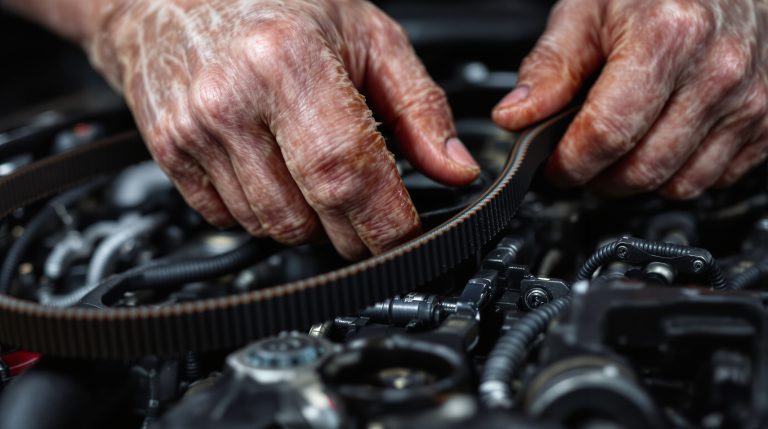
The 2.0 EcoBlue is best known for its wet belt — a toothed belt that runs in oil and drives the camshafts. Depending on the variant and application you will also find chain-driven components. The key point is that the wet belt is the part most owners need to be aware of, because it is a wear item with a defined replacement interval.
Wet belt: pros and cons
- Pros: quieter, lower friction and helps with emissions and economy.
- Cons: it degrades in the oil and sheds debris that can block the oil pick-up. It must be replaced on schedule, and the job is involved because it is inside the engine.
Timing chain: pros and cons
- Pros: generally longer-lasting and not on a fixed replacement interval.
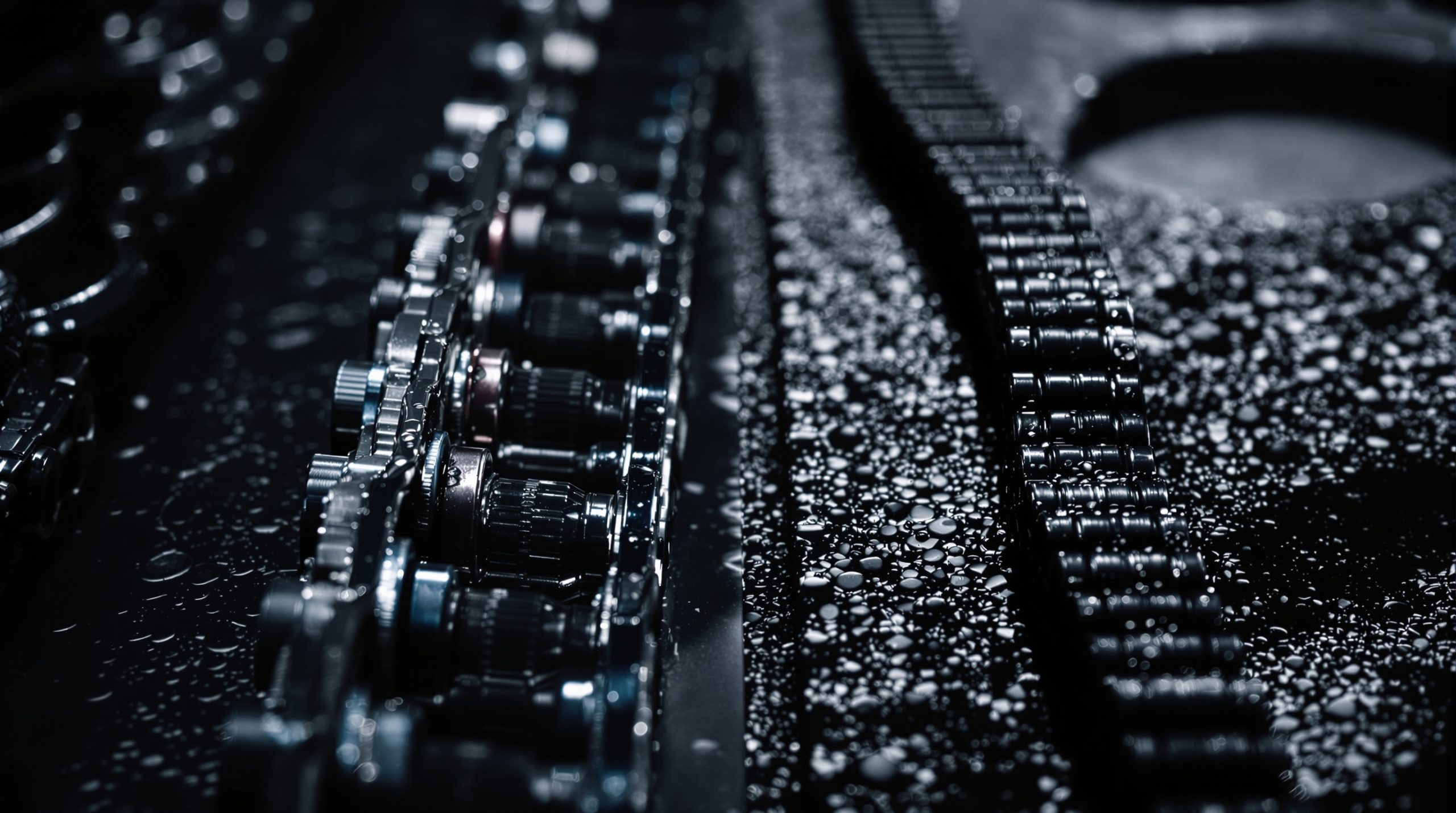
- Cons: not maintenance-free — chains can stretch and guides and tensioners wear, causing a rattle and, if ignored, jumped timing and serious damage.
Which is “better”?
Neither is simply better — they are different engineering trade-offs. What matters for you as an owner is understanding what your van has and looking after it accordingly: replacing the wet belt on time, and acting quickly on any timing rattle from a chain.
The bottom line
Whether your concern is a wet belt that is due, or a chain rattle on cold start, the worst thing you can do is wait. Both systems give warning signs, and both are far cheaper to address before they fail than after. If you are not sure what your van needs, we are happy to inspect it and give you honest advice.
Think your van needs attention?
Copthorne Transit Centre are Ford 2.0 EcoBlue specialists serving Copthorne, Crawley, Gatwick and across West Sussex, Surrey and Kent. Get honest advice and a free, no-obligation quote.