
EcoBlue Engine Insights & Advice
Helpful guides, practical how to articles and straight talking advice for Ford Transit, Transit Custom & Ranger 2.0 EcoBlue owners, written by the team at Copthorne Transit Centre.
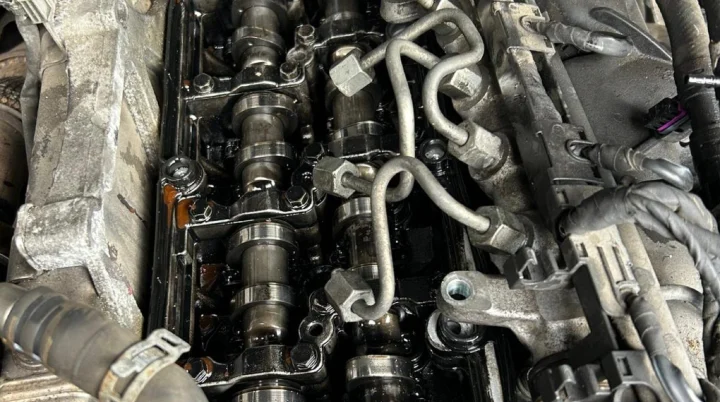
Is the Ford 2.0 EcoBlue Reliable? Which Years to Check
It can be, but how it has been looked after matters more than the year. The engine uses a wet belt that runs in the oil,…
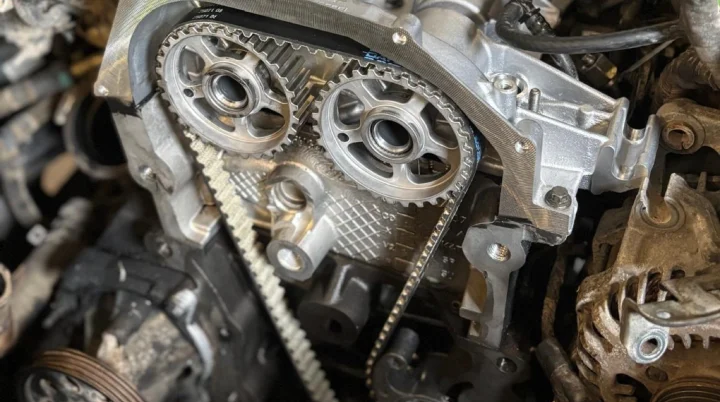
Ford Transit Wet Belt Recall: What Owners Should Know
In the DVSA recall data we checked for this guide, we found no safety recall for the 2.0 EcoBlue timing belt. What Ford has done is…
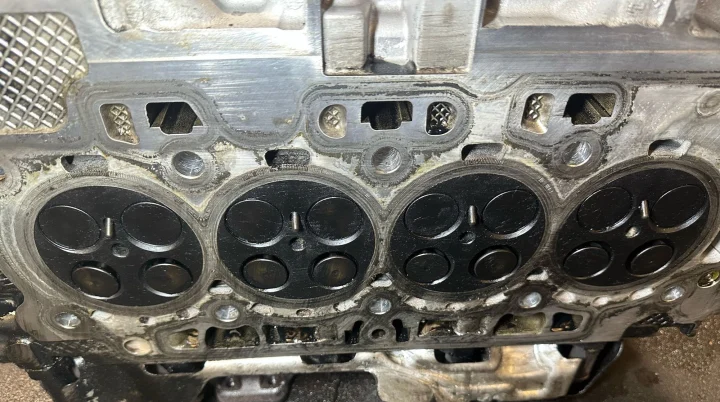
Ford Transit White Smoke, Blue Smoke and Black Smoke: What Each Can Mean
Ford Transit white smoke on a cold morning is often just vapour. When it does not clear, or the smoke is blue or black, here is…
Ford Transit Clutch Problems: Slipping, Judder and Dual Mass Flywheel Signs
Ford Transit clutch problems usually show as slipping, judder or a pedal that feels wrong. How to tell clutch wear from a flywheel noise, what adds…
Ford Transit Engine Management Light: Steady, Flashing and What to Do Next
A steady Ford Transit engine management light means book a check soon. A flashing one points to a possible misfire. What to do next and which…
How to Find a Ford Transit Engine Code and Know Which Engine You Have
How to find a Ford Transit engine code for a Transit, Custom or Connect, which papers help and which do not, and why the code decides…

Buying a Used Ford Transit Connect: What to Look For in the Belt
Buying a used Ford Transit Connect? What to look for starts with the cambelt: which engine the van has, the records that prove the belt was…
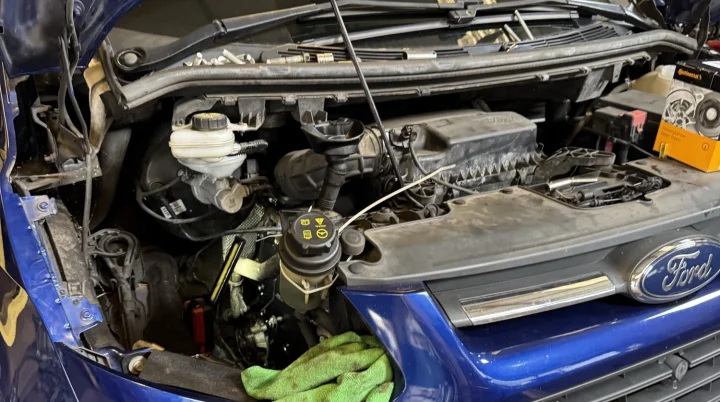
What to Check When Buying a Used Ford Transit Custom or Transit
What to check when buying a used Ford Transit Custom or Transit, from a Transit workshop: the paperwork, which engine it has, belt or chain records,…
Transit Custom 2.2 vs 2.0 EcoBlue: Chain or Wet Belt?
Comparing the Transit Custom 2.2 vs 2.0 EcoBlue? The 2.2 TDCi turns its camshafts with a chain, the 2.0 EcoBlue with a belt in oil. Here…
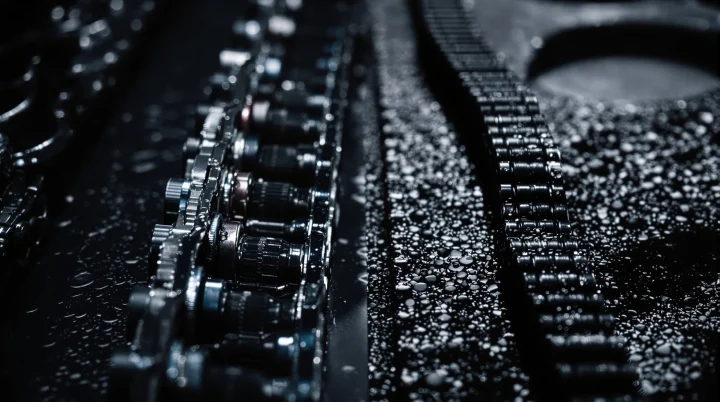
Does the Ford Transit 2.0 EcoBlue Have a Timing Chain?
No. The Ford Transit 2.0 EcoBlue uses a belt in oil for the camshafts and a second belt in oil for the oil pump. Older Transit…

Winter Van Maintenance Checklist for Transit Owners
Cold weather is hard on commercial vehicles. Our winter checklist covers everything from glow plugs to coolant strength, helping you keep your Transit on the road…

How to Choose the Right Garage for EcoBlue Engine Repairs
Not all garages understand the quirks of the 2.0 EcoBlue engine. Here is what to look for when choosing a workshop for your Transit, from diagnostic…
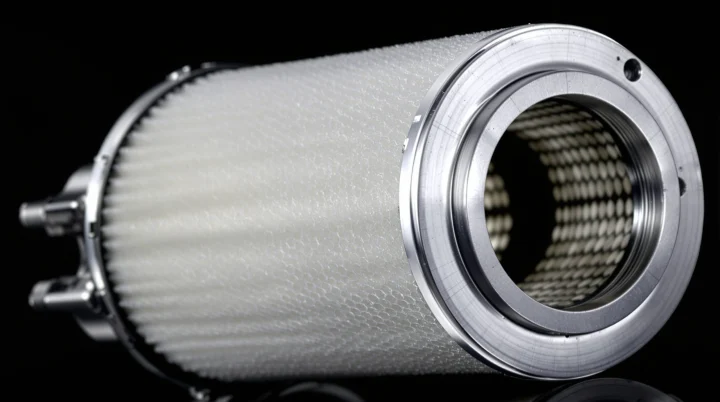
DPF Problems on Ford Transit EcoBlue Engines Explained
Diesel Particulate Filter issues are one of the most common headaches for Transit owners. We explain how the DPF works on the EcoBlue, why it blocks…
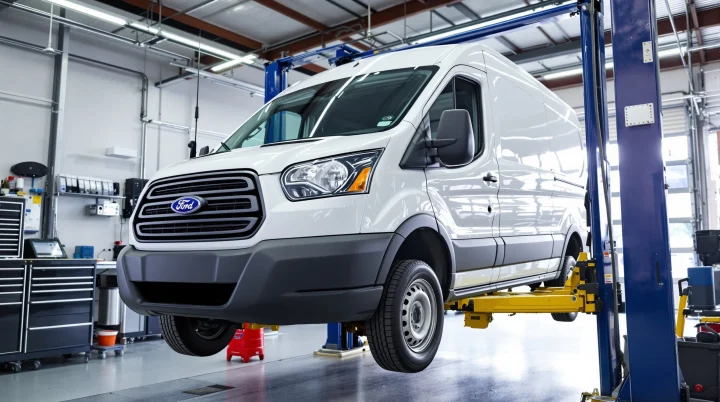
Ford Transit Service Intervals: Your Complete Maintenance Schedule
Staying on top of your Transit's service schedule helps you avoid unplanned repairs. We have broken down exactly what needs doing and when for the 2.0…

The Most Common 2.0 EcoBlue Engine Faults and How to Spot Them
From wet belt wear to DPF blockages, we have catalogued the recurring faults we see on the 2.0 EcoBlue engine. Learn the early warning signs before…

Hard Brake Pedal on Your Transit? Stop Driving and Read This
A rock hard brake pedal on a Ford Transit is a serious safety concern. We explain what causes it, what to do straight away and how…

Ford Transit Oil Pressure Warning? Here’s What Could Be Causing It
Low oil pressure warnings on Ford Transit vans can signal anything from a simple sensor fault to serious engine damage. We break down the common causes…

EcoBlue Wet Belt: Everything You Need to Know Before It Fails
The 2.0 EcoBlue wet timing belt, which runs in oil, is a ticking time bomb if not replaced on schedule. We cover the warning signs, replacement…